
Vayu is a Sanskrit word that means “wind.” In Ayurveda, energy moves through the body in specific patterns. The direction in which this energy flows is called vayu.
In yoga, it is said that there are 49 vayus in the body, each moving in a particular direction and linked to a specific function. For example, energy that moves in the stomach area supports digestion. This is known as Samana Vayu.
Out of these 49 vayus, there are five that are most important for yoga practitioners to understand the subtle body. These are Prana Vayu, Apana Vayu, Samana Vayu, Udana Vayu, and Vyana Vayu. Together, they are called the five Prana Vayus.
These five vayus are also connected to the five elements that make up the body: ether, air, fire, water, and earth. Among them, Apana Vayu is responsible for the downward flow of energy.
In this series on the five Prana Vayus, we will explore the role of Apana Vayu and how you can keep it balanced.
What is Apana Vayu?
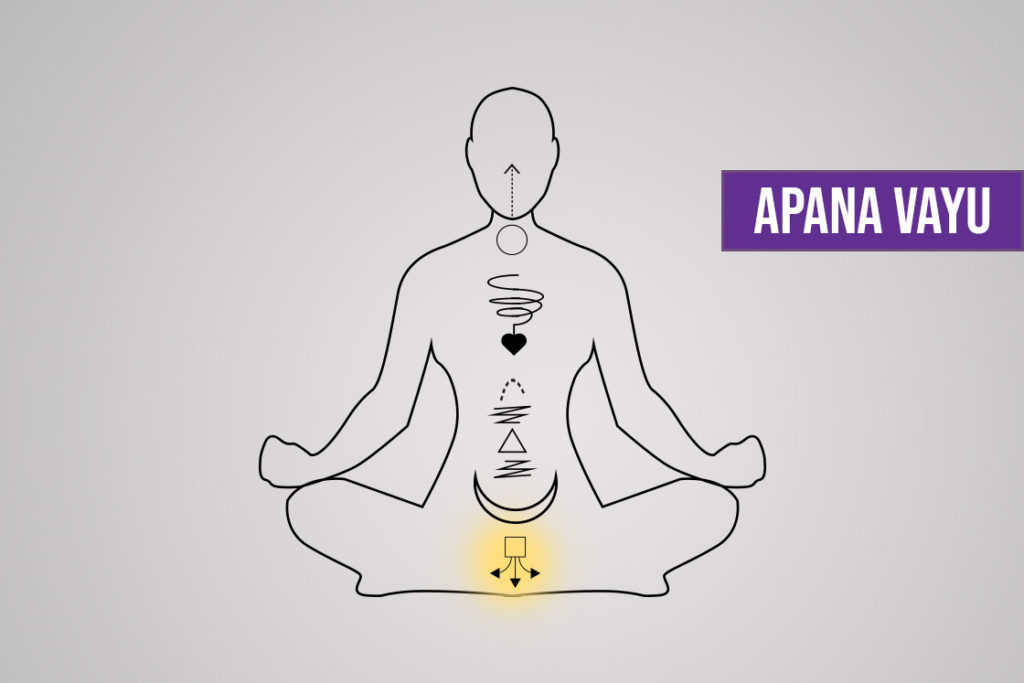
Apana Vayu means “the air that moves away.” It is the energy that flows downward and outward in the body. This movement supports processes like breathing out, digestion, elimination, and menstruation.
Along with physical release, Apana Vayu also helps let go of mental and emotional waste. It supports the body and mind in clearing what is no longer needed.
Apana Vayu is linked to the earth element and is connected to the Muladhara(Root Chakra). Because of this, it is mainly active in the lower part of the body, especially around the pelvic floor.
More specifically, Apana Vayu is located in the lower abdomen, pelvis, large intestine, and other lower regions of the body.
As it governs elimination, it mainly works through organs such as the intestines, colon, rectum, kidneys, bladder, and genitals.
Functions of the Apana Vayu
Apana Vayu controls the downward and outward movement of energy in the body. Whenever you feel the urge to urinate or pass stool, experience menstruation, or go through childbirth, it is Apana Vayu at work.
Its main function is elimination. This includes not only physical waste but also the release of negative or unwanted thoughts and emotions.
Apana Vayu supports digestion by helping the body absorb nutrients and water from food. When digestion works well, it also helps in the proper formation of urine and stool. Regular elimination keeps the intestines clean and healthy.
It also helps release gas, which reduces pressure in the abdomen and chest. This can prevent issues like acidity, heartburn, and stomach discomfort.
Apana Vayu plays an important role in the reproductive system. It supports ovulation and menstruation, both of which are important for a woman’s overall health. Healthy ovulation is also linked to fertility and conception.
During pregnancy, Apana Vayu helps carry the baby to full term. It also supports childbirth by guiding the contractions and the downward movement needed to deliver the baby.
In addition, it influences sexual functions such as arousal, ejaculation, and libido, all of which are connected to reproduction.
In simple terms, whether it is the urge to eliminate or the smooth functioning of the reproductive system, Apana Vayu plays a key role in these natural processes.
Symptoms of imbalance Apana Vayu
Apana Vayu becomes imbalanced when its natural functions are disturbed. Since it is also connected to the Root Chakra, any imbalance in this chakra can affect the flow of Apana Vayu.
When toxins and negative energy build up in the body, it can lead to discomfort and health issues. Some common signs of an imbalanced Apana Vayu include:
- Pain in the lower back, thighs, or knees
- Frequent urination or difficulty passing urine
- Constipation, diarrhoea, or irritable bowel syndrome
- Fertility issues or menstrual problems such as PCOD
- Erectile dysfunction or low libido
- Laziness or a feeling of heaviness
- Fatigue or low energy
- Self-doubt and insecurity
- Mental dullness
- Anxiety
- Confusion or feeling disconnected
- Difficulty making decisions
These signs show that the downward flow of energy is not working properly and needs to be balanced.
How to balance the Apana Vayu
Apana Vayu can become either excessive or weak, which may lead to the symptoms mentioned above. The good news is that it can be balanced with simple and regular practices.
Yoga, pranayama, meditation with mudras, a balanced diet, and small lifestyle changes can help restore its natural flow.
When Apana Vayu is excessive
If Apana Vayu is too strong, you should support Prana Vayu, which moves upward and inward. This helps create balance, as Apana Vayu naturally moves downward and outward.
While practising seated yoga postures, engage Mula Bandha (root lock). This helps control and regulate the flow of Apana Vayu.
When Apana Vayu is weak
If Apana Vayu is weak, you may notice issues like constipation or poor bowel movement. In this case, grounding practices are helpful.
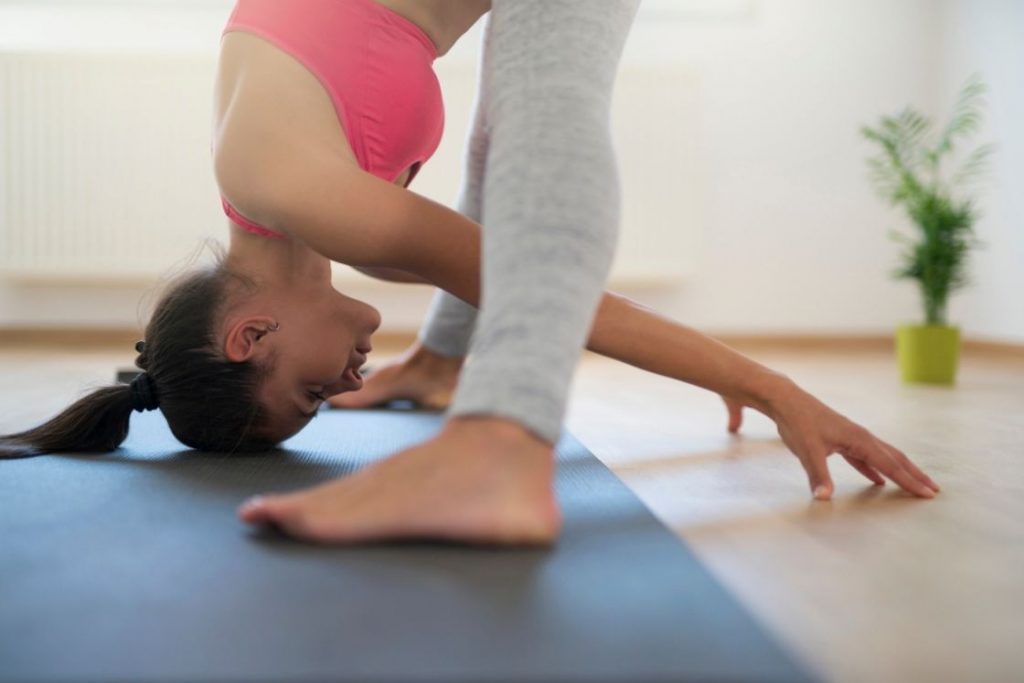
Since Apana Vayu is linked to the earth element, connecting with the earth can improve its flow. You can try poses like Chair Pose, Plank Pose, or Standing Split to feel more stable and grounded.
Yoga Poses to support Apana Vayu
Forward bends, standing poses, and seated twists are especially helpful. Some simple poses to practise include:
Pranayama practice
Kapalbhati Pranayama is one of the most effective techniques to stimulate Apana Vayu. The forceful exhalation helps remove toxins and supports both physical and mental cleansing.
Apana Mudra practice
Apana Mudra supports healthy elimination and improves the flow of Apana Vayu.
To practise:
- Join the tips of the middle and ring fingers with the thumb
- Keep the other fingers relaxed
- Practise for 15 minutes, three times a day
You can reduce or stop once your symptoms improve.
Simple lifestyle tips
Along with yoga and pranayama, small daily habits can make a big difference:
- Eat fresh, natural foods
- Stay connected to the earth (walking barefoot, spending time in nature)
- Try journaling to release mental stress
These simple steps help bring balance and support overall wellbeing.
Conclusion
Apana Vayu is one of the most important energies in the body. It supports the elimination process, which is essential for keeping the body clean, healthy, and free from disease.
Many common health issues improve when your digestion and elimination are working properly. This shows how important Apana Vayu is for overall wellbeing.
Practising yoga poses that gently massage the digestive organs and open the pelvic area can be very helpful. Since vayu means “wind,” pranayama also plays a key role in balancing Apana Vayu.
With regular practice, you can support your body’s natural flow and maintain better health from within.
FAQs
You may feel constipation, heaviness in the lower body, low energy, or emotional stuckness. A feeling of incomplete elimination is also a common sign.
Early morning is the best time, especially around sunrise. This is when the body naturally supports elimination and cleansing.
Yes, it can. When Apana Vayu is imbalanced, it may lead to anxiety, fear, insecurity, or feeling disconnected. Balanced Apana Vayu supports emotional stability.
Warm, cooked, and fibre-rich foods like vegetables, whole grains, and soups help. Drinking enough water also supports smooth elimination.
It depends on your condition and consistency. With regular yoga, pranayama, and proper diet, you may start noticing improvement within a few days to a few weeks.
The post What is Apana Vayu? Symptoms of Imbalance and How to Balance It appeared first on Fitsri Yoga | Yoga Alliance Certified Online Yoga School.