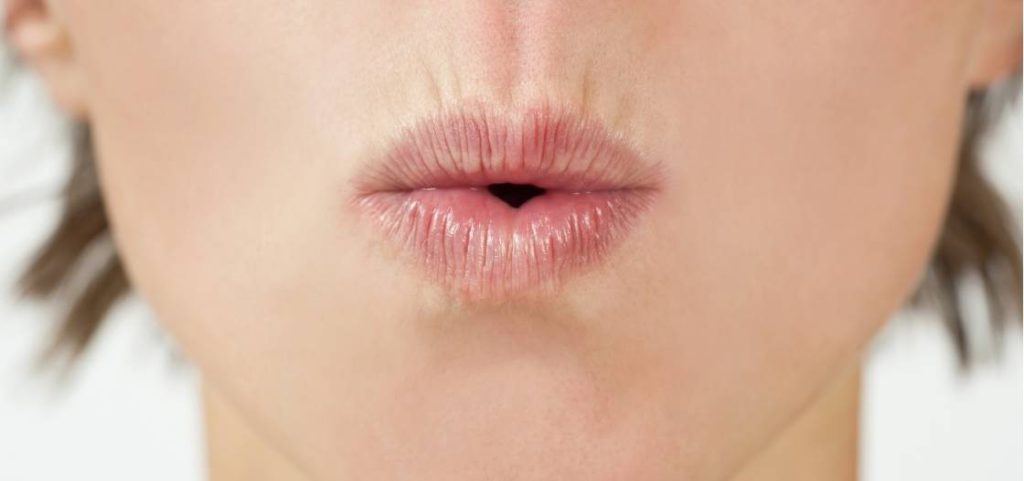
Kaki Mudra is a simple yogic practice that supports overall health and longevity. It is often used to cool the body, calm the mind, and support natural healing from within.
Kaki Mudra, also known as the raven beak gesture, is one of the Mana Mudras. These are meditative practices that involve the use of the sense organs such as the eyes, nose, ears, tongue, and lips.
Although it is a mudra, it is closely linked to breathing techniques like Sheetali and Sitkari pranayama. Because of this, it is sometimes also called Kaki Mudra pranayama.
This practice is slightly more active than hand mudras. It is done by inhaling through pursed lips and exhaling through the nostrils, while gently focusing on the tip of the nose, known as Nasikagra Drishti.
Regular practice of Kaki Mudra can offer several internal benefits, especially for cooling and relaxation. Over time, it may also improve skin health and bring a natural glow.
Meaning and Interpretation
The word Kaki comes from Sanskrit and means “crow,” while Mudra means “gesture.” This mudra is linked with longevity, as crows are traditionally believed to have a long life. Because of this association, the practice is called Kaki Mudra.
It is performed by shaping the lips into a small beak-like form, similar to a crow’s beak. For this reason, it is also known as the crow beak gesture.
Kaki Mudra is practised to support overall health and help maintain a balanced, disease-free life. However, like any yogic practice, it is important to understand when and how to practise it correctly.
Join Our 7-Day Live Yoga Mudra Workshop
How to Do Kaki Mudra
- Sit in a comfortable meditative posture such as Sukhasana or Padmasana.
- You can also sit on a chair. Keep your head and spine straight.
- Rest your hands on your knees in Jnana Mudra.
- Close your eyes and relax your whole body for a few minutes.
- Gently open your eyes and bring your gaze to the tip of your nose.
- Try to keep your eyes steady without blinking. This is called Nasikagra Drishti.
- Purse your lips to form a small beak-like shape.
- Inhale slowly and deeply through the lips, keeping the tongue relaxed.
- Close your lips and exhale gently through the nostrils.
- Continue this practice for 3 to 5 minutes.
Contraindications and Precautions
It is important to practise Kaki Mudra with proper awareness and safety.
- In Kaki Mudra, only the lips are pursed. The tongue should remain relaxed inside the mouth, unlike in Sheetali pranayama.
- Avoid this practice if you have low blood pressure or are experiencing depression.
- Do not practise if you suffer from chronic constipation.
- People with eye conditions such as glaucoma or diabetic retinopathy should avoid this mudra.
- Avoid practising if you have recently had eye surgery.
- Practise Nasikagra Drishti only if you are already comfortable with it.
- Do not practise in cold weather or in polluted surroundings.
- Keep the eyes open during the practice, but avoid any strain.
Time for practice
- Kaki Mudra is best practised early in the morning or before going to bed.
- Start with 2 to 5 minutes and gradually increase the duration as your body becomes comfortable with the practice.
- Since it has a cooling effect on the body, it can be practised after heating pranayama to help bring balance.
Kaki Mudra Variant
There is a variation of Kaki Mudra that helps improve breath retention.
In this method, bring the fingertips of both hands together and use the thumbs to gently close the nostrils. Inhale through the mouth as described earlier, then relax the lips and hold the breath for a few moments.
When you are ready, release the thumbs and exhale slowly through the nostrils.
Kaki Mudra Benefits
1. Support digestion
Breathing through pursed lips allows air to pass over the mouth tissues, which may help increase saliva production and gently stimulate the digestive system. This can support better digestion over time.
2. Tones the facial muscles
Holding the lips in a beak-like shape engages the facial muscles. Regular practice may help keep the face firm, reduce the appearance of wrinkles, and improve overall skin tone.
3. Supports respiratory health
Kaki Mudra involves slow and controlled breathing, which can help improve lung function and strengthen the respiratory system. It may be helpful for people with mild breathing discomfort when practised regularly.
4. Calm the nervous system
The cooling and controlled breathing in this mudra helps relax the body and mind. It may reduce stress and support those who experience anxiety or occasional panic.
5. Help to activate throat chakra
As air is drawn in through the mouth, this practice is believed to stimulate the Vishuddha (throat) chakra. This may support better communication and inner balance.
6. Supports hormonal balance and immunity
Kaki Mudra may help regulate the thyroid and parathyroid glands. These glands play a role in metabolism and overall immunity, helping the body stay balanced.
7. Help to manage high blood pressure
The calming and cooling effect of this practice may support healthy blood circulation and help manage high blood pressure when combined with a balanced lifestyle.
Conclusion
Practising Kaki Mudra regularly, along with pranayama, can support overall health and help the body feel more balanced and refreshed.
It may also support oral health and digestion while gently stimulating the taste buds.
With consistent practice, Kaki Mudra can help you feel more relaxed, energised, and connected to your body.
FAQs
The word Kaki means crow in Sanskrit. The mudra is named after the crow because the mouth shape looks like a beak and it is also linked with longevity.
You can start with 2 to 5 minutes and slowly increase the time as you become comfortable with the practice.
Yes, beginners can practise it easily. Start slowly and avoid straining the eyes or breath.
With regular practice, it may support better lung function and improve breathing control.
Yes, it has a cooling effect and may help reduce excess body heat, especially when practised in warm weather.
No, they are similar but not the same. In Kaki Mudra, air is inhaled through pursed lips, while in Sheetali pranayama the tongue is rolled.
The post Kaki Mudra (Mudra for Longevity): Meaning, How to Do, Benefits appeared first on Fitsri Yoga | Yoga Alliance Certified Online Yoga School.